
In betting, the word stake is simple, but its importance is massive. Every bet you place starts with deciding how much money you are willing to risk. That amount is called your stake. Many beginners focus only on odds or potential winnings, but experienced bettors know that stake control decides long term success. A good stake protects your balance, controls emotions, and keeps betting enjoyable rather than stressful. Without understanding the stakes, even correct predictions can lead to losses.
This is why stake is considered the foundation of betting education, especially in cricket and IPL betting, where matches happen frequently.
What is Stake in Betting?
A stake in betting is the exact amount of money you place on a single bet. It is not the profit and not the total return, but the money you risk before the result is known. For example, when you choose a cricket match and enter an amount, that entered amount is your stake. Odds decide how much you can win, but the stake decides how much you can lose.
This is where many beginners get confused. Odds show potential returns, while stake represents exposure. Returns are calculated using both stake and odds together. If a bet loses, your stake is lost. If it wins, your stake either comes back with a profit or converts into winnings, depending on the rules. Understanding this difference helps users avoid overbetting and improves discipline from the very first bet.
How Stake Works in Sports Betting?
Before placing any sports bet, the stake determines how the bet functions financially. The process is simple and follows a clear flow. Once you understand this flow, betting becomes easier and more controlled.
- Choose a betting market based on match type and available options
- Select odds that match your analysis and comfort level
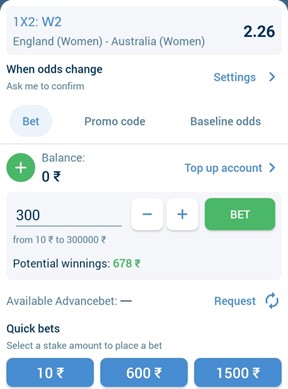
- Enter the stake amount you are ready to risk
- The system calculates potential returns using stake and selected odds
- Confirm the bet only after reviewing the risk and the possible outcome
- Wait for the result without changing stake emotionally during the match
This flow applies to all sports, including IPL betting, live betting, and pre match markets. The key role of stake is to fix your risk before the match starts.
Top 5 Best Stake Options in Betting Apps:
Choosing the right stake size in betting apps helps control risk and manage your bankroll better. The apps listed below are commonly used by Indian bettors because they allow flexible staking, low minimum amounts, and smooth betting experience for both beginners and regular users.
| Betting App | Minimum Stake | Ideal Stake Range | Best For |
| Batery | ₹10 | ₹50 – ₹500 | Beginners and low risk betting |
| Indibet | ₹20 | ₹100 – ₹1,000 | Indian users and cricket betting |
| Parimatch | ₹25 | ₹100 – ₹2,000 | Balanced stake strategies |
| Dafabet | ₹50 | ₹200 – ₹3,000 | Experienced bettors |
| 1xBet | ₹10 | ₹100 – ₹5,000 | Flexible staking and live betting |
Stake vs Odds vs Winnings:
Understanding the difference between stake, odds, and winnings removes most beginner confusion. Each term plays a different role in betting, and mixing them leads to poor decisions.
| Term | Meaning | Why It Matters |
| Stake | Amount of money you place on a bet | Decides how much you risk |
| Odds | Price offered for a betting selection | Determines profit potential |
| Winnings | Total amount received after a winning bet | Includes profit and sometimes stake |
Stake is always your starting point. Odds only multiply the stake. Winnings depend on both. When you focus on stake first, you gain better control over losses and avoid emotional betting driven by high odds alone.
Types of Stakes in Betting:
In betting, not every player uses the same stake style. Different stake types exist because bettors have different risk tolerance, experience levels, and bankroll sizes. Choosing the right type of stake is important because it directly affects how long your balance lasts and how stable your betting journey becomes. Beginners often jump between stake types without understanding them, which leads to losses. Knowing each stake type helps you stay disciplined and avoid emotional decisions during live matches or IPL seasons.
Fixed Stake:
A fixed stake means betting the same amount on every wager. For example, if you decide ₹300 is your stake, you place ₹300 on every bet. This method keeps risk controlled and avoids sudden losses caused by overconfidence. It is ideal for beginners who want simplicity and safety.
Variable Stake:
Variable staking allows you to change your stake size based on confidence or match analysis. Bettors may increase stake for strong predictions and reduce it for risky bets. While flexible, it can become dangerous if emotions influence decisions.
Flat Staking:
Flat staking is similar to fixed staking but planned in advance. Bettors decide a unit size and never change it. This method focuses on long term consistency rather than quick profits.
Percentage Staking:
In percentage staking, you bet a fixed percentage of your bankroll. If your balance grows, your stake grows. If it falls, the stake reduces automatically. This helps protect capital over time.
Each stake type suits different users, but disciplined staking always performs better than impulsive betting.
What Is a Stake Amount in Online Betting?
In online betting, the stake amount is the exact sum of money you choose to risk on a bet. It is the first and most important input before placing any wager. Whether you are betting on cricket, IPL, or live matches, the stake decides your financial exposure.
- Online betting platforms always ask users to enter a stake manually, which helps control spending and prevents accidental over betting.
- The stake amount is not influenced by odds or predictions; it is fully chosen by the user.
Once the bet is placed, the stake is locked and cannot be changed. A higher stake increases both potential profit and potential loss, while a smaller stake limits risk.
This is why experienced bettors focus on stake planning before selecting markets. Understanding stake amount helps users bet responsibly and avoid emotional decisions during high pressure matches.
How Stake Affects Profit and Loss?
Stake plays a direct role in deciding how much you win or lose in betting. Even when two bettors choose the same odds, their final outcome can be very different because of stake size. A small stake limits losses but also reduces profits.
A large stake increases profit potential but exposes more money to risk. This is why stake matters more than prediction confidence. Many users lose money not because their picks are wrong, but because their stake is too aggressive. In cricket betting, especially during IPL live matches, emotions often push bettors to increase stakes suddenly.
That leads to heavy losses in short periods. A controlled stake keeps profit and loss balanced over time. Betting should be treated like money management, not quick guessing. When the stake is planned properly, even losing bets do not damage the bankroll badly. This balance is what separates controlled betting from reckless gambling.
What Happens to Your Stake If You Lose a Bet?
When you lose a bet, the stake amount you placed is fully lost. This means the money you risked is deducted from your betting balance and cannot be recovered. Losing bets are a normal part of betting, even for experienced users.
- Full stake amount is deducted from your betting balance
- No part of the stake is refunded after loss
- Loss size depends entirely on stake chosen
- Losing does not affect future odds or markets
- Controlled stake prevents heavy financial damage
The key difference between safe betting and reckless betting is how much stake is lost per bet. A controlled stake ensures losses remain manageable and do not damage the bankroll badly. Understanding this helps users accept losses calmly and bet responsibly.
What Happens to Your Stake If You Win a Bet?
When you win a bet, your stake plays a key role in calculating returns. The betting platform multiplies your stake with the selected odds to determine total winnings. This total usually includes the original stake plus profit.
- Stake is multiplied with odds to calculate the total payout
- The original stake is usually included in the winnings
- Profit amount depends on odds and stake size
- Winnings are credited after the result settlement
- Stake returns immediately for future betting use
For example, a higher stake leads to higher returns when odds remain the same. However, winning does not change future stake rules. Each bet remains independent, and winnings are credited to your balance after result confirmation. Winning feels rewarding, but stake discipline remains essential.
Stake in Live Betting (In Play Betting):
In live betting, the stake works the same way as pre match betting, but risk levels are higher. Live odds change quickly based on match situations, which tempts users to place higher stakes impulsively.
For example:
During an IPL match, a sudden wicket or six can shift odds instantly, encouraging fast decisions. The stake you place during live betting is locked immediately and exposed to unpredictable outcomes. Because of the fast pace, small stake sizes are safer in live betting. Experienced bettors often reduce stake during in play markets to avoid emotional losses.
Stake control becomes even more important here because multiple bets can be placed within minutes. Using planned stake sizes during live betting protects bankroll and prevents panic betting during intense match moments.
Common Stake Mistakes Beginners Make On Stake:
Most beginners fail in betting because they misuse their stake. These mistakes usually happen due to excitement, fear, or chasing losses. Understanding these errors early can save money and frustration.
- Betting entire balance on one match due to overconfidence
- Increasing stake after losses to recover money quickly
- Ignoring bankroll size while placing high stake bets
- Placing emotional bets during live IPL matches
- Changing stake size randomly without any plan
- Copying others’ stake sizes without understanding personal limits
Avoiding these mistakes helps bettors stay calm, disciplined, and financially safe in the long run.
What Happens to Your Stake When a Bet Is Cancelled or Void?
When a bet is cancelled or marked void, your stake is usually not lost. In most betting platforms, a void bet means the market has been cancelled due to reasons like match abandonment, rain interruption, incorrect odds, or player withdrawal before the event starts. In such cases, the betting site refunds the full stake back to your betting balance.
- No profit is added, but no loss is taken either. The stake simply returns as it was.
- For example, if you placed a ₹500 stake on an IPL match that gets abandoned without result, that ₹500 is credited back.
- Rules can differ slightly between platforms, especially for special markets like player performance or live betting.
That is why reading void rules matters. Understanding how stake behaves in cancelled bets gives users confidence and prevents unnecessary confusion or panic.
How to Decide the Right Stake Size?
Choosing the right stake size is more important than choosing the right team. A good stake size protects your bankroll and allows you to survive losing streaks. There is no perfect number, but smart rules make staking safer.
- Decide total bankroll before placing any bets
- Use only small percentage of bankroll per bet
- Keep stake size same across similar confidence levels
- Never increase stake based on emotions or excitement
- Reduce stake during losing phases automatically
- Focus on long term survival, not short term profits
Is Stake Refundable in Betting?
Stake refund depends on the situation and betting platform rules. In most cases, stake is not refundable if the bet loses. However, there are exceptions. If a match is abandoned, postponed, or declared void, many betting sites refund the stake to the user’s balance.
In some situations, like player withdrawal before match start, bets may also be voided. Cash out options change how stake behaves. If you cash out early, part of the stake may be returned with adjusted returns. Free bets work differently, where stake may not be returned even if you win. Always read betting rules carefully before placing a bet to understand refund conditions clearly.
Stake in Free Bets and Bonus Bets:
Free bets and bonus bets handle stakes differently from normal bets. Many users misunderstand these rules and get confused during withdrawals.
| Type of Bet | Stake Returned | Key Condition |
| Free Bet | No | Only winnings credited after win |
| Bonus Bet | No | Wagering requirements apply |
| Risk Free Bet | Yes | Stake refunded if bet loses |
| Cash Bonus | Yes | Must complete wagering |
| Site Credit | No | Used only for betting |
Conclusion:
Understanding stake in betting is one of the most important lessons for any bettor, especially beginners. Stake decides how much money you risk, how much you can lose, and how stable your betting journey remains. Many people focus only on odds or predictions, but poor stake control destroys even the best analysis. When you respect your stake, you bet with clarity instead of pressure. This approach turns betting into a disciplined activity rather than reckless gambling. Learning how stake works early saves money, time, and frustration. In the end, betting smart always starts with staking smart.
Frequently Asked Questions:
No, once a bet is placed, the stake cannot be changed. You must place a new bet.
No, higher stake increases risk. Profits depend on balance between stake and odds.
Yes, fixed or flat staking is safest for beginners learning betting discipline.
Yes, cash out value depends on original stake, odds movement, and match situation.
No, stake concept is the same. Only risk level increases during live betting.

Kiran is a cricket analyst and writer with strong expertise in the Indian Premier League and modern cricket. He closely follows match situations, player performances, team strategies, and season trends to deliver clear and accurate insights. Passionate about the game, Kiran enjoys exploring emerging talents, tracking auction movements, and sharing timely updates related to IPL and competitive cricket.
