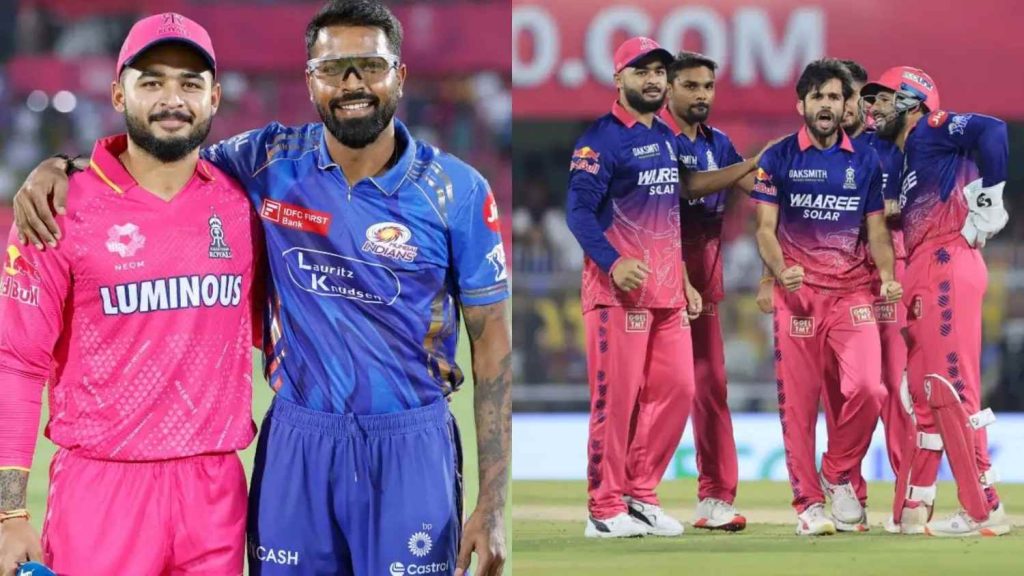


The Indian Premier League 2026 season saw a major shift in how teams built their squads. Unlike mega auctions where only a handful of players can be kept, this year teams had complete freedom to retain as many players as they wanted. A total of 173 players were retained across all 10 franchises before the mini auction held on December 16, 2025, in Abu Dhabi. This article explores everything about retained players in IPL 2026, analyzing team strategies, key retention, and how these decisions will shape the upcoming season.
Understanding IPL 2026 Retention Rules:
The retention system for the Indian Premier League 2026 season followed a mini auction structure rather than the traditional mega auction rules. This gave teams more flexibility in keeping their core squads while still operating under certain financial and roster limits.
Here are the key points of the IPL 2026 retention rules:
- Flexible Player Retentions: Teams were not restricted to a fixed number of retained players. Franchises could keep as many players as they wanted while staying within squad size limits.
- Salary Cap And Squad Limit: Each team had a total purse limit of ₹125 crore and had to maintain a squad size between 18 and 25 players.
- No Right To Match Cards: The mini auction did not include Right to Match options, meaning once a player was released, the original team could not reclaim them during bidding.
- Player Trades Allowed: Teams could trade players with other franchises after the retention deadline, allowing them to strengthen their squads before the auction.
- Overseas Player Salary Limit: Overseas players had a salary cap of ₹18 crore in mini auctions to help control spending and maintain competitive balance across teams.
Complete List of Retained Players in IPL 2026:
The retention phase for IPL 2026 concluded on November 15, 2025, with all teams announcing their retained squads. A total of 173 players were retained across the 10 franchises, including 49 overseas cricketers. This left 77 slots to be filled in the mini auction. The table below shows the complete breakdown of each team retention numbers, overseas players kept, money spent, and purse remaining for the auction.
| Team | Players Retained | Overseas Players | Money Spent | Purse Remaining |
| Chennai Super Kings | 16 | 4 | ₹81.60 Crore | ₹43.40 Crore |
| Delhi Capitals | 17 | 3 | ₹103.20 Crore | ₹21.80 Crore |
| Gujarat Titans | 20 | 4 | ₹112.10 Crore | ₹12.90 Crore |
| Kolkata Knight Riders | 12 | 2 | ₹60.70 Crore | ₹64.30 Crore |
| Lucknow Super Giants | 19 | 4 | ₹102.05 Crore | ₹22.95 Crore |
| Mumbai Indians | 20 | 7 | ₹122.25 Crore | ₹2.75 Crore |
| Punjab Kings | 21 | 6 | ₹113.50 Crore | ₹11.50 Crore |
| Rajasthan Royals | 16 | 7 | ₹108.95 Crore | ₹16.05 Crore |
| Royal Challengers Bengaluru | 17 | 6 | ₹108.60 Crore | ₹16.40 Crore |
| Sunrisers Hyderabad | 15 | 6 | ₹99.5 Crore | ₹25.5 Crore |
Chennai Super Kings Retention Strategy:
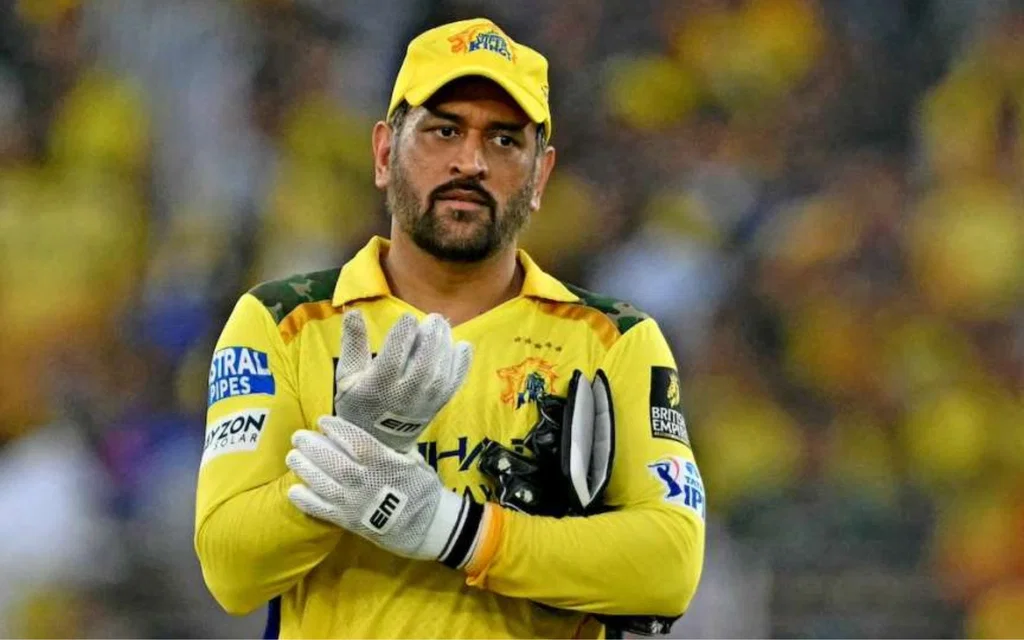
Chennai Super Kings retained 16 players with 4 overseas cricketers. The biggest news was MS Dhoni being retained once again, showing that the legendary captain will play another season. However, CSK made a major move by trading Sanju Samson from Rajasthan Royals to strengthen their batting department. In exchange, they sent Ravindra Jadeja to RR, ending a long association with their star all rounder. CSK kept core players like Ruturaj Gaikwad, Shivam Dube, and overseas stars including Nathan Ellis, Noor Ahmad, and Dewald Brevis. They entered the auction with ₹43.40 crore, the second highest purse, which allowed them to make aggressive bids and secured uncapped stars Prashant Veer and Kartik Sharma for ₹14.20 crore each.
Delhi Capitals Retention Approach:
Delhi Capitals retained 17 players including 3 overseas players. They made an important trade by acquiring Nitish Rana from Kolkata Knight Riders to strengthen their middle order batting. DC kept captain KL Rahul, who moved from Lucknow Super Giants in a previous season. Star spinner Kuldeep Yadav was retained along with pace bowler T Natarajan. The overseas contingent includes Mitchell Starc, who was the most expensive player in IPL 2024, Dushmantha Chameera, and Tristan Stubbs. Young talents like Abhishek Porel, Ashutosh Sharma, and Tripurana Vijay were also retained. DC had ₹21.80 crore remaining for the auction, which limited their ability to make very big purchases but allowed them to fill important gaps.
Gujarat Titans Squad Stability:
Gujarat Titans opted for maximum stability by retaining 20 players. This was one of the highest retention numbers in IPL 2026. They kept their championship winning core intact with players like Shubhman Gill expected to lead the side. GT retained 4 overseas players but traded Sherfane Rutherford to Mumbai Indians before the auction. The team maintained their strong Indian contingent that helped them win the IPL 2022 title. With only ₹12.90 crore left in their purse, GT had very little room to maneuver in the auction. This meant they needed to be extremely selective about which slots to fill and could not compete for expensive players. Their strategy focused on continuity rather than major changes.
Kolkata Knight Riders Auction Power:
Kolkata Knight Riders took the opposite approach by retaining only 12 players, the lowest among all franchises. This bold strategy gave them the highest auction purse of ₹64.30 crore. KKR released several key players including Andre Russell, who had been with the franchise since 2014, and Venkatesh Iyer, their most expensive buy from the previous auction. They retained core players like Rinku Singh, Varun Chakaravarthy, Harshit Rana, and captain material in Ajinkya Rahane. The overseas retentions included Sunil Narine and Rovman Powell. This massive purse allowed KKR to go big in the auction, and they became the most expensive buyers by purchasing Cameron Green for a record ₹25.20 crore and Matheesha Pathirana for ₹18 crore.
Lucknow Super Giants Strategic Moves:
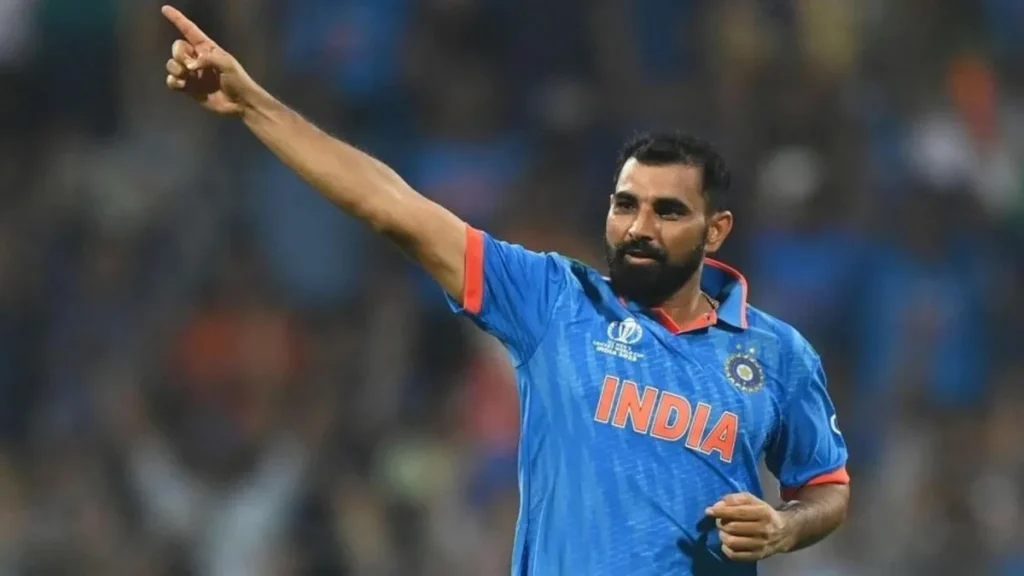
Lucknow Super Giants retained 19 players with 4 overseas cricketers. Their biggest acquisition through trade was Mohammed Shami from Gujarat Titans, adding a world class pace bowler to their attack. LSG retained captain Rishabh Pant, who was bought for ₹27 crore in the previous mega auction. Key Indian players like Nicholas Pooran, Mayank Yadav, Mohsin Khan, and Ayush Badoni were kept. The overseas contingent includes Mitchell Marsh, Aiden Markram, and Matthew Breetzke. Abdul Samad was also retained to provide explosive batting in the middle order. With ₹22.95 crore available for the auction, LSG had reasonable flexibility to strengthen specific areas while maintaining their core squad structure that reached the playoffs in previous seasons.
Mumbai Indians Limited Budget Challenge:
Mumbai Indians retained 20 players including a maximum 7 overseas cricketers. This left them with just ₹2.75 crore, the smallest auction purse among all teams. MI made two important trades by acquiring Shardul Thakur and Sherfane Rutherford to fill gaps in their squad. They retained their leadership core of Rohit Sharma, Hardik Pandya, and Jasprit Bumrah. Other key retentions included Suryakumar Yadav, Deepak Chahar, and overseas stars like Mitchell Santner, Corbin Bosch, and Ryan Rickelton. Despite their tiny budget, MI managed to strengthen their squad by purchasing Quinton de Kock for just ₹1 crore. The five time champions focused on keeping their proven winners and banking on team chemistry rather than making expensive new signings.
Punjab Kings Maximum Retention:
Punjab Kings retained the maximum number of players with 21 retentions. As the runners up from IPL 2025, they wanted to keep their winning combination intact. PBKS retained 6 overseas players and a strong Indian contingent. Key players included captain Shreyas Iyer, Arshdeep Singh, Yuzvendra Chahal, and Prabhsimran Singh. The overseas stars retained were Marcus Stoinis, Marco Jansen, Lockie Ferguson, Azmatullah Omarzai, Mitch Owen, and Xavier Bartlett. Young talents like Musheer Khan, Priyansh Arya, and Harnoor Pannu were also kept. Despite retaining so many players, PBKS still had ₹11.50 crore for the auction. Their strategy showed confidence in the existing squad while making minor adjustments to challenge for their first IPL title.
Rajasthan Royals Rebuild with Trade:
Rajasthan Royals retained 16 players including 7 overseas cricketers, the maximum allowed. Their major move was trading Sanju Samson to Chennai Super Kings and acquiring Ravindra Jadeja in return. This swap brought a proven all rounder to RR. They retained stars like Yashaswi Jaiswal, Riyan Parag, and Dhruv Jurel from their young Indian core. The overseas contingent included Jofra Archer, Sam Curran, Shimron Hetmyer, and new additions through trade. Sandeep Sharma provided experience in the pace department. With ₹16.05 crore available, RR had decent financial flexibility. They successfully bid for Ravi Bishnoi at ₹7.20 crore to strengthen their spin bowling options, showing their intent to build a balanced squad for the new season.
Royal Challengers Bengaluru Defending Champions:
Royal Challengers Bengaluru, the defending champions from IPL 2025, retained 17 players with 6 overseas cricketers. As champions, they focused on keeping their winning core together. RCB retained key players like Jos Buttler, Mohammed Siraj, Kagiso Rabada, and Josh Hazlewood. The Indian contingent included Glenn Phillips, Jayant Yadav, and other performers from their championship season. Prasidh Krishna provided additional pace bowling strength. The team had ₹16.40 crore for the auction, which gave them some room to strengthen weak areas. RCB successfully purchased Venkatesh Iyer for ₹7 crore, getting back a player they had released earlier. Their retention strategy balanced experience with youth while maintaining the team spirit that brought them their first ever IPL title.
Sunrisers Hyderabad Balanced Approach:
Sunrisers Hyderabad retained 15 players including 6 overseas cricketers. They struck a balance between retaining core players and having auction flexibility. SRH kept their explosive opening pair of Abhishek Sharma and Travis Head, who were instrumental in their strong performances. Key Indian retentions included Nitish Kumar Reddy, who impressed with both bat and ball. Captain Pat Cummins was retained along with Heinrich Klaasen, who has been their most consistent overseas batsman. Other retentions included Bhuvneshwar Kumar and youngsters with potential. With ₹25.5 crore remaining, SRH had good financial power to address specific needs. Their strategy focused on maintaining their aggressive batting approach while strengthening the bowling department through smart auction purchases and targeted acquisitions.
Major Trades Before IPL 2026 Auction:
Player trades played an important role in shaping team squads before the Indian Premier League 2026 auction. One of the biggest moves involved Sanju Samson shifting from Rajasthan Royals to Chennai Super Kings, ending his long association with the franchise where he served as captain and key batter. In exchange, CSK traded Ravindra Jadeja to Rajasthan Royals, marking a major change as Jadeja had been one of CSK’s most consistent performers for years. Another significant transfer saw Mohammed Shami move from Gujarat Titans to Lucknow Super Giants, strengthening Lucknow’s pace attack with his experience in powerplay and death overs.
Other franchises also made strategic moves to strengthen their squads before the auction. Mumbai Indians added Shardul Thakur, a versatile all rounder, and Sherfane Rutherford, a powerful middle order hitter capable of accelerating in the final overs. Meanwhile, Delhi Capitals traded for Nitish Rana from Kolkata Knight Riders, adding an experienced left handed batter to strengthen their middle order. These trades showed how teams used the transfer window to address key squad gaps and build balanced lineups ahead of the IPL 2026 auction.
Impact of Retentions on Auction Dynamics:
Player retention significantly influences how an IPL auction unfolds. When many players are retained before the auction, fewer slots remain available, which increases competition among teams and forces franchises to plan their spending strategies carefully.
Here are the key ways retentions affect auction dynamics
- Limited Player Slots: When a large number of players are retained, fewer positions remain in the auction pool. This increases competition among teams for the remaining quality players.
- Higher Bidding Competition: With limited slots available, teams often engage in aggressive bidding wars to secure the players they specifically want.
- Strategic Use Of Auction Purse: Teams with larger budgets gain more flexibility and can target expensive players, while franchises with smaller purses must focus on value signings.
- Opportunities For Uncapped Players: Retention strategies sometimes create opportunities for emerging or uncapped players to attract higher bids due to limited availability of experienced players.
- Selective Buying By Low Budget Teams: Teams with smaller remaining budgets usually target specific roles or experienced players available at lower prices to balance their squad.
- Unexpected Auction Results: Due to intense competition and budget limits, some well known players may go unsold while lesser known players receive surprisingly high bids.
Key Players Released and Retained:
The retention phase ahead of the Indian Premier League auction included several surprising decisions. Kolkata Knight Riders released long time star Andre Russell, ending his decade long association with the team, while players like Venkatesh Iyer, Glenn Maxwell, Quinton de Kock, and Faf du Plessis also entered the release list. These moves reflected franchises reshaping their squads and preparing for fresh combinations in the upcoming season.
At the same time, teams retained their core players to maintain stability. Chennai Super Kings kept MS Dhoni, while young stars like Rinku Singh, Yashasvi Jaiswal, and Shubman Gill were retained by their respective teams. Franchises also invested in promising Indian talents such as Mayank Yadav and Harshit Rana, highlighting a growing focus on building strong squads around young players for the long term.
Conclusion:
The IPL 2026 retention phase showcased diverse team building strategies across all ten franchises. With 173 players retained and major trades reshaping squads, teams have set the foundation for an exciting season. Punjab Kings retained the maximum 21 players while Kolkata Knight Riders kept only 12, demonstrating contrasting approaches to squad construction. The auction that followed saw record breaking purchases including Cameron Green becoming the most expensive overseas player at ₹25.20 crore. Every team now has a complete squad ready to compete for the IPL 2026 title. The combination of retained cores, strategic trades, and smart auction buys promises thrilling cricket ahead. Fans can expect fierce competition as teams battle with their carefully assembled squads.
FAQs:
A total of 173 players were retained across all 10 franchises for IPL 2026. This included 49 overseas players and 124 Indian players. The retentions left 77 slots to be filled in the mini auction.
Punjab Kings retained the maximum number of players with 21 retention. As runners up from IPL 2025, they wanted to keep their successful squad together with minimal changes.
Kolkata Knight Riders had the highest auction purse of ₹64.30 crore. They retained only 12 players, giving them maximum financial power to rebuild their squad through auction purchases.
Major trades included Sanju Samson moving to CSK and Ravindra Jadeja going to RR, Mohammed Shami joining LSG from GT, and Mumbai Indians acquiring Shardul Thakur and Sherfane Rutherford through trades.
Yes, MS Dhoni was retained by Chennai Super Kings for IPL 2026. The legendary captain will continue playing for CSK, much to the delight of fans who will see him in action for another season.
Kiran is a cricket analyst and writer with strong expertise in the Indian Premier League and modern cricket. He closely follows match situations, player performances, team strategies, and season trends to deliver clear and accurate insights. Passionate about the game, Kiran enjoys exploring emerging talents, tracking auction movements, and sharing timely updates related to IPL and competitive cricket.