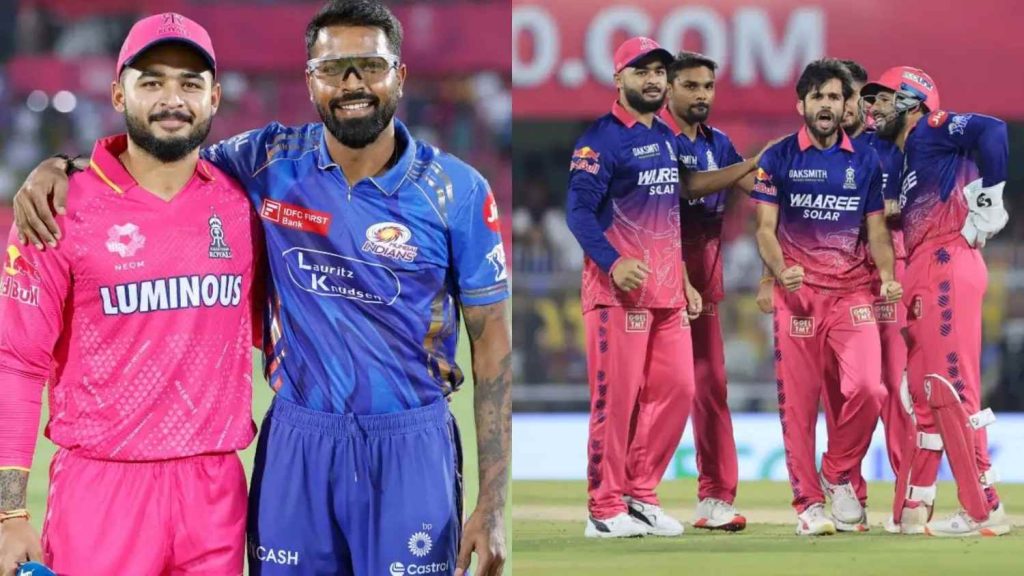


The Indian Premier League has always been known for exciting cricket, but nothing grabs attention like raw speed from fast bowlers. Over the years, IPL has seen bowlers push their limits and bowl at extreme pace, making fans jump out of their seats. From sharp bouncers to fiery short balls, speed bowling has become one of the most thrilling parts of the tournament. Among all these moments, one ball still stands above the rest. Shaun Tait’s blistering ball clocked at 157.71 km/h remains the fastest ball in IPL history.
This record has stood strong for more than 14 years, despite major improvements in fitness, training methods, and sports science. Many modern fast bowlers have come close, but none have managed to go past this mark. Still, Tait’s thunderous effort continues to be unmatched. His record ball remains a symbol of extreme speed and fearlessness, making it one of the most talked about moments in IPL pace bowling history.
Fastest Ball in IPL History: Shaun Tait
Shaun Tait’s 157.71 km/h ball during the 2011 IPL season remains the fastest ever recorded in the league. Known for his aggressive approach and raw pace, Tait bowled this historic ball while playing for Rajasthan Royals against Delhi Daredevils. The ball was aimed at Aaron Finch and instantly became a moment that fans and commentators still talk about today.

Even with modern tracking systems, better pitches, and improved player conditioning, no bowler has managed to cross this speed. Tait’s fear factor was real. Batsmen knew that facing him meant dealing with genuine speed. Years later, despite the rise of faster and fitter bowlers, his 157.71 km/h ball still sits at the top of IPL records. It continues to define the peak of fast bowling in the tournament.
Top 5 Fastest Balls in IPL History:
The IPL has witnessed some unbelievable moments of raw pace over the years. Fast bowlers from different countries have pushed their limits, regularly crossing the 150 km/h mark. The top five fastest balls in IPL history highlight not just speed, but also control and confidence at the highest level of T20 cricket.
| Rank | Bowler | Team | Opponent | Speed (km/h) | Year |
| 1 | Shaun Tait | Rajasthan Royals | Delhi Daredevils | 157.71 | 2011 |
| 2 | Gerald Coetzee | Mumbai Indians | Rajasthan Royals | 157.40 | 2024 |
| 3 | Lockie Ferguson | Gujarat Titans | Rajasthan Royals | 157.30 | 2022 |
| 4 | Umran Malik | Sunrisers Hyderabad | Delhi Capitals | 157.00 | 2022 |
| 5 | Mayank Yadav | Lucknow Super Giants | Royal Challengers Bangalore | 156.70 | 2024 |
1. Shaun Tait: 157.71 km/h Ball
Shaun Tait remains the fastest bowler in IPL history thanks to his 157.71 km/h ball for Rajasthan Royals. This moment came against Aaron Finch and instantly became one of the most iconic pace bowling moments in the league. The sheer speed of the ball left very little reaction time for the batter.
Tait’s bowling was built around aggression and power. His run up, release point, and body momentum all worked together to generate extreme pace. This ball in 2011 became the benchmark for fast bowling in the IPL and is still unmatched today. His 157.71 km/h ball is remembered not just for the number, but for the fear and excitement it created. It remains the gold standard for speed in IPL history.
2. Gerald Coetzee: 157.40 km/h Ball
Gerald Coetzee made headlines during the 2024 IPL season when he bowled a ball at 157.40 km/h. Representing Mumbai Indians, his pace instantly put him among the fastest bowlers the tournament has ever seen. This ball came against Rajasthan Royals and showed his ability to bowl at extreme speed with control.
Coetzee’s smooth bowling action helps him generate pace without looking forced. His rise in IPL cricket has been rapid, and his speed has surprised many experienced batters. That 157.40 km/h ball placed him second on the all time fastest balls list.
3. Lockie Ferguson: 157.30 km/h Ball
Lockie Ferguson is one of the fastest bowlers in modern IPL history and is known for his ability to bowl at a serious pace consistently. His record ball of 157.30 km/h was bowled during the 2022 IPL season while playing for Gujarat Titans. This moment once again proved why Ferguson is considered one of the most dangerous fast bowlers in T20 cricket.
Ferguson’s pace becomes especially effective during high pressure situations, particularly in the death overs. His fast run up, strong shoulder action, and sharp release help him generate extreme speed without losing control. The 157.30 km/h ball showed his ability to push beyond normal limits when the team needed it most. This ball placed Ferguson among the elite group of fastest bowlers in IPL history.
4. Umran Malik: 157.00 km/h Ball
Umran Malik, widely known as the Jammu Express, holds the record for bowling the fastest ball by an Indian in IPL history. His 157.00 km/h ball during the 2022 season stunned fans, experts, and fellow players alike. Representing Sunrisers Hyderabad, Malik brought genuine pace back into Indian fast bowling.
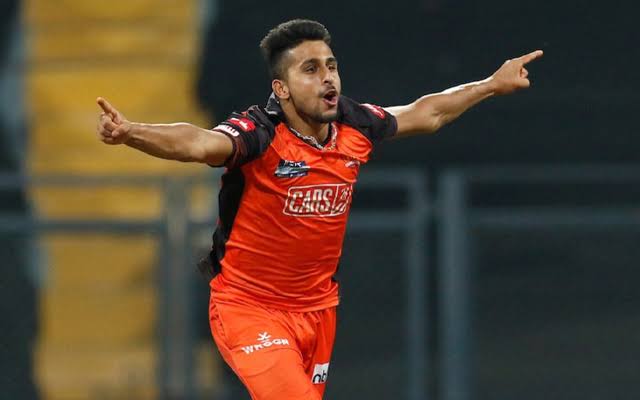
What makes Malik special is his ability to consistently bowl above 150 km/h. His aggressive approach and fearless attitude allow him to challenge even the most established batters. That 157.00 km/h ball became a major talking point and marked a turning moment for Indian pace bowling in the IPL.
5. Mayank Yadav: 156.70 km/h Ball
Mayank Yadav emerged as one of the biggest surprises of the 2024 IPL season. Playing for Lucknow Super Giants, he bowled a stunning 156.70 km/h ball that instantly placed him among the fastest bowlers in IPL history. His pace caught batters off guard and made him an exciting new talent to watch.
This ball came against Royal Challengers Bangalore and showed Mayank’s ability to handle pressure at the highest level. His smooth action and strong follow through help him generate serious speed while maintaining control. For a young bowler, reaching this level of pace is a rare achievement. His 156.70 km/h ball has already secured him a place among the fastest bowlers the IPL has ever seen.
Indian Fast Bowlers in IPL:
Indian fast bowlers have steadily increased their pace in the IPL over the years. Earlier, Indian pacers were known more for swing and control, but the modern generation has added serious speed to their skill set. From the early days of Irfan Pathan to the express pace of Umran Malik and Mayank Yadav, Indian fast bowling has come a long way. These bowlers have not only matched overseas pacers but have also entered the elite list of the fastest balls bowled in IPL history.
| Bowler | Fastest Ball Speed | Team at the Time |
| Umran Malik | 157.0 km/h | Sunrisers Hyderabad |
| Mayank Yadav | 156.7 km/h | Lucknow Super Giants |
| Irfan Pathan | 153.7 km/h | Kings XI Punjab |
| Mohammed Shami | 153.3 km/h | Delhi Daredevils |
| Jasprit Bumrah | 153.2 km/h | Mumbai Indians |
These numbers show how Indian fast bowling has evolved in the IPL. Umran Malik and Mayank Yadav lead the modern pace era, while Irfan Pathan’s record from the 2008 season remains historic. Bowlers like Shami and Bumrah prove that speed can exist alongside control, accuracy, and consistency.
How Fast Bowlers Prepare for IPL Training and Fitness?
Fast bowling is one of the toughest roles in cricket, and preparing for the IPL requires serious physical and mental effort. Fast bowlers follow intense training routines to stay strong, fast, and injury free throughout the season.
Strength training focuses on core muscles, legs, and shoulders to support high speed bowling. Flexibility exercises help bowlers maintain smooth actions and reduce stress on joints. Recovery routines are equally important, as fast bowlers put heavy strain on their bodies every match.
Diet also plays a major role. Protein rich food helps muscle recovery, while carbohydrates provide energy during long spells. Hydration is closely monitored to prevent fatigue. Along with physical preparation, bowlers work on focus and pressure handling so they can perform consistently in high intensity IPL matches.
Fastest Ball of the IPL 2025 Season:
The IPL 2025 season saw a slight dip in top speeds compared to the previous year, but fast bowlers still showed strong pace throughout the tournament. While no one crossed the extreme numbers seen in 2024, several bowlers consistently bowled above 150 km/h and kept the excitement alive for fans.
| Bowler | Team | Speed (km/h) | Year |
| Lockie Ferguson | PBKS | 153.2 | 2025 |
| Jofra Archer | RR | 152.3 | 2025 |
| Anrich Nortje | KKR | 151.6 | 2025 |
Lockie Ferguson led the list with a fastest ball of 153.2 km/h, showing his continued ability to bowl at high speed. Jofra Archer followed closely with a 152.3 km/h ball, while Anrich Nortje clocked 151.6 km/h. Even though these speeds were lower than earlier peak seasons, they confirmed that fast bowling remains a key part of IPL cricket.
How Speed Is Measured for the Fastest Ball in IPL?
Speed measurement in IPL is done using advanced tracking technology installed in stadiums. High speed cameras and radar based systems record the ball’s speed immediately after release from the bowler’s hand. This ensures accuracy and consistency across matches and venues.
The speed shown on screen is usually the peak speed of the ball, not the average speed by the time it reaches the batter. Small factors like camera angle, pitch conditions, and ball wear can slightly affect readings, but overall the system is reliable. Because of this technology, fans can trust the numbers shown during IPL matches when discussing the fastest ball records.
Why Bowling the Fastest Ball in IPL Is So Difficult?
Bowling the fastest ball in the IPL is not just about running fast and throwing hard. A bowler needs perfect coordination between run up, body alignment, arm rotation, and release timing. Even a small mistake can reduce speed or cause injury.
IPL matches are played in a high pressure environment. Bowlers have to focus on accuracy, line, and length while also managing fatigue from travel and frequent games. Many fast bowlers hold back slightly to avoid injuries and stay effective throughout the season. This is why only a few rare moments result in record breaking fast balls.
Impact on Fast Bowlers in Indian Premier League
Fast bowlers play a vital role in IPL matches, especially during key phases of the game. While spinners often control the middle overs, fast bowlers dominate the powerplay and death overs using speed and bounce to trouble batters. Fast bowlers contribute in several important ways:
- Breaking partnerships at crucial moments
- Putting pressure on batters with sheer pace
- Attacking during death overs to take wickets
- Setting the tone early in the match with fast balls
Over the years, fast bowlers have shaped many match winning moments in the IPL. Their ability to change the game within a few balls makes them an essential part of team strategy. Speed remains one of the most powerful weapons in T20 cricket.
Conclusion:
The IPL has produced unforgettable moments of pace and power, with Shaun Tait’s 157.71 km/h ball still standing as the fastest ball in IPL history. Even after many seasons, this record remains untouched, highlighting how special that moment truly was. At the same time, modern fast bowlers such as Gerald Coetzee, Lockie Ferguson, Umran Malik, and Mayank Yadav continue to challenge limits. With better training methods and fitness support, the gap is slowly closing. Every season brings new speed and new excitement.
FAQs:
A mix of strong physical fitness, correct bowling action, smooth run up, and mental confidence helps bowlers generate extreme speed consistently.
Tait combined raw pace, aggression, and perfect timing in one moment. Even with modern improvements, matching that balance has been very difficult.
Yes, bowlers like Gerald Coetzee and Lockie Ferguson have come close, but maintaining peak speed in match conditions is still a challenge.
Pitches with good bounce and carry, such as Ahmedabad, Mohali, and Kolkata, usually help fast bowlers extract more speed from the surface.
Maintaining high speed requires careful workload control, strong recovery routines, and injury prevention to avoid fatigue during the season.

Kiran is a cricket analyst and writer with strong expertise in the Indian Premier League and modern cricket. He closely follows match situations, player performances, team strategies, and season trends to deliver clear and accurate insights. Passionate about the game, Kiran enjoys exploring emerging talents, tracking auction movements, and sharing timely updates related to IPL and competitive cricket.