

The Indian Premier League (IPL) is known for its fast paced cricket, high energy matches, and star players. However, beneath all the excitement and glamour, there has been a long standing issue of match fixing and spot fixing. Over the years, several allegations and scandals have raised concerns about the integrity of the league.
This article will explore one of the most pressing questions: Which is the No. 1 fixing team in IPL? We’ll cover the history of fixing in the IPL, discuss the steps taken to tackle it, and provide fans with essential insights into this ongoing controversy.
Which Is The No.1 Fixing Team In IPL?
The two franchises, Chennai Super Kings (CSK) and Rajasthan Royals (RR), were suspended by the Board of Control for Cricket in India (BCCI), and the Supreme Court appointed the R. M. Lodha Committee for 2015. This was the only sanctioned measure against betting and spot fixing charges.
1. Rajasthan Royals
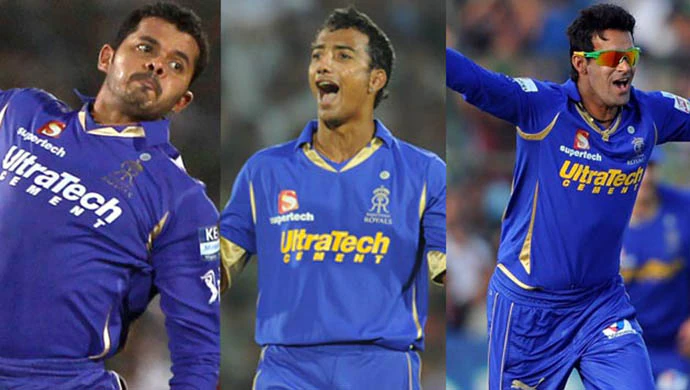
The Rajasthan Royals remain one of the most discussed teams when it comes to fixing scandals, primarily due to the 2013 spot fixing incident. The arrest of Sreesanth and other players sent shockwaves through the IPL. Despite these controversies, the Rajasthan Royals have remained a competitive team and have even won the IPL title in the inaugural season (2008).
2. Chennai Super Kings
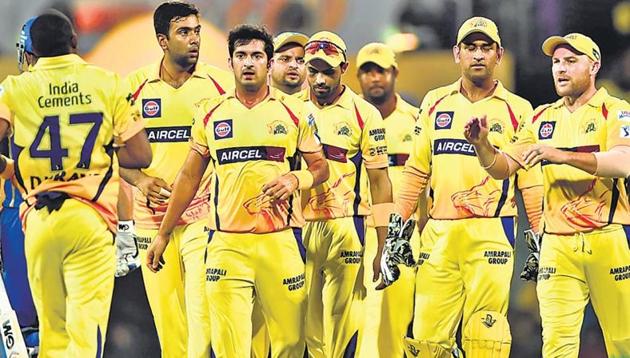
While Chennai Super Kings (CSK) have been one of the most successful franchises in IPL history, they were involved in a massive scandal in 2015 when Gurunath Meiyappan, the team’s principal, was accused of being involved in betting and match fixing activities. The result was a two year suspension for the franchise.
Historical Fixing Scandals in IPL:
The IPL has faced several fixing scandals, raising concerns about its credibility.
2013 Spot Fixing Scandal:
The most infamous fixing scandal involved three Rajasthan Royals players, Sreesanth, Ajit Chandila, and Ankeet Chavan, who were arrested for spot fixing during the 2013 season. They deliberately underperformed in specific overs in exchange for money from bookmakers.
Outcome: The BCCI banned all three players for life, and the Rajasthan Royals faced heavy criticism. Despite the damage to their reputation, the team continued to compete in subsequent seasons under new management.
2010 and 2014 Allegations:
In addition to the high profile 2013 scandal, there were other allegations involving match fixing and spot fixing in 2010 and 2014. These allegations, although not as widely publicized, were tied to several teams and players.
Consequences After Proven Fixing:
Players and officials found guilty of fixing in the IPL face serious repercussions:
- Bans: Players involved in fixing are banned for life or for a specific number of years. The BCCI has a strict no tolerance policy.
- Financial Penalties: Individuals and teams found guilty can face significant financial penalties, including the forfeiture of salaries and sponsorship deals.
- Legal Consequences: Those involved in match fixing may also face criminal charges, including imprisonment.
Measures Taken to Prevent Fixing in IPL:
The BCCI and IPL governing bodies have implemented stringent measures to combat corruption and ensure the integrity of the sport.
1. Anti Corruption Unit (ACU):
The BCCI’s Anti Corruption Unit (ACU) plays a central role in monitoring all matches and preventing any corrupt practices. The ACU works with cricket boards worldwide to gather intelligence, investigate suspicious activities, and ensure players adhere to strict anti corruption codes.
2. Education Programs for Players:
One of the key steps in preventing corruption is educating players about the risks and consequences associated with corruption. The BCCI conducts regular workshops and seminars where players are educated on the dangers of match fixing and the importance of reporting suspicious activities.
3. Strict Surveillance and Monitoring:
Every IPL match is monitored by surveillance teams, both during and after the game. Players, coaches, and team officials are under constant scrutiny, and any unusual behavior is investigated promptly.
4. Code of Conduct:
The BCCI requires all players, coaches, and officials to sign a code of conduct that outlines the ethical guidelines and expectations regarding match fixing and spot fixing. Violations of this code result in severe penalties, including lifetime bans.
Fixing Allegations in IPL 2025:
As the IPL continues to grow, the question of fixing in the league remains a topic of concern. While IPL 2025 has seen no concrete evidence of any team involved in fixing, the ongoing vigilance of the Anti Corruption Unit (ACU) and other monitoring mechanisms play a crucial role in ensuring the integrity of the sport. The BCCI’s strict measures, including player education, surveillance, and the Code of Conduct, are continually reinforced to prevent any such activities from taking place.
At present, no team has been officially linked to fixing in IPL 2025, but the BCCI’s commitment to maintaining transparency and fairness remains as strong as ever.
Conclusion:
While fixing in IPL has affected certain teams, it’s important to remember that the league has implemented robust mechanisms to safeguard the integrity of the game. Teams like the Rajasthan Royals and the Chennai Super Kings have been at the center of controversies, but through rigorous measures, including the Anti Corruption Unit (ACU), the BCCI continues to fight corruption.
For fans, it’s essential to stay informed about the measures in place and not allow these scandals to overshadow the great moments of the IPL. The battle against fixing continues, and with proper vigilance, the IPL aims to ensure that cricket stays the honest, thrilling sport we all love.
FAQS:
The ACU monitors all IPL matches through real time surveillance, analyzing player behavior, betting patterns, and any irregularities in the game. They work closely with international cricket boards to gather intelligence and take preventive action.
No, players, officials, and team management are strictly prohibited from betting on IPL matches. Betting, whether on their own team or any other, is considered a serious violation and can result in heavy penalties, including lifetime bans.
Team owners and officials are required to ensure their players and staff adhere to the ethical guidelines set by the IPL and the BCCI. They must be vigilant and cooperate with the ACU to prevent any form of corruption within the team.
While fans can’t directly intervene, they are encouraged to report any suspicious behavior they notice, such as players or officials acting unusually. The BCCI encourages transparency and has channels through which fans can report potential misconduct.
The IPL auction process is monitored by the BCCI and is transparent, with strict guidelines to prevent any influence or fixing. Each player is auctioned based on performance and value, ensuring no external factors, such as bribery or manipulation, impact the process.

Kiran is a cricket analyst and writer with strong expertise in the Indian Premier League and modern cricket. He closely follows match situations, player performances, team strategies, and season trends to deliver clear and accurate insights. Passionate about the game, Kiran enjoys exploring emerging talents, tracking auction movements, and sharing timely updates related to IPL and competitive cricket.