



The Indian Premier League has revolutionized cricket with its use of advanced technology, and LED stumps are one of the most visible innovations that fans see during every match. These glowing stumps light up instantly when disturbed, creating spectacular visual moments and helping umpires make accurate decisions. However, many fans are shocked when they learn about the actual cost of these high tech cricket accessories. This article explores everything about LED stumps used in IPL, including their price, technology, components, and why they cost so much money.
Understanding LED Stumps and Their Purpose:
LED stumps, often called Zing wickets, are modern cricket stumps fitted with sensors and LED lights that activate the moment the bails are dislodged. They were designed to improve decision making accuracy and add a visual upgrade to the game, and today they are widely used in tournaments like the Indian Premier League and other global competitions approved by the International Cricket Council.
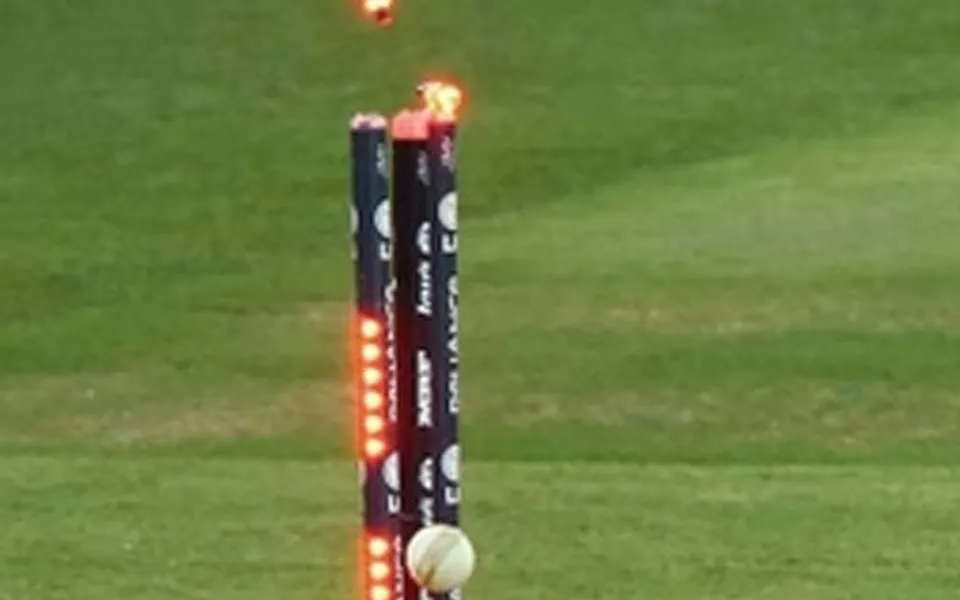
Here are the purposes of LED stumps:
- Improve Decision Accuracy: They light up instantly when the wicket is broken, helping umpires judge close run outs, stumpings, and bowled dismissals with precision.
- Provide Clear Visual Confirmation: The instant flash shows the exact moment the bails move, reducing confusion and controversial decisions.
- Enhance Viewer Experience: The bright lights add excitement for fans in stadiums and on television, especially during dramatic dismissals.
- Support Visibility in Low Light: LED stumps remain clearly visible in day night matches under floodlights, ensuring smooth gameplay.
- Promote Fair Play Through Technology: By removing doubt in close calls, they help make the game more transparent and balanced for both teams.
Complete Cost Breakdown of LED Stumps:
The LED stumps used in the Indian Premier League are extremely expensive because of the advanced sensors, lights, and electronics built into them. A complete set for one wicket can cost around 30 to 40 lakh rupees, and since two sets are needed for a match, the total value on the field can reach up to 80 lakh rupees. Even the LED bails alone cost tens of thousands of rupees due to the micro technology inside them.
Instead of buying them, the Board of Control for Cricket in India rents the stumps from Zing International, which also handles maintenance and replacements during the season. This makes it a more practical arrangement while ensuring top quality equipment is always used. The below table shows the detailed cost breakdown of LED stumps and their components.
| Component | Cost (INR) | Cost (USD) |
| Complete Set (3 Stumps + 2 Bails) | ₹30,00,000 to ₹40,00,000 | $40,000 to $50,000 |
| Zing Bails (Pair) | ₹50,000 | $600 |
| Both Ends (2 Complete Sets) | ₹60,00,000 to ₹80,00,000 | $80,000 to $100,000 |
| IPL Season Rental (2021) | ₹1,60,00,000 | $192,000 |
| IPL Season Rental (2022) | ₹2,00,00,000 | $240,000 |
| Alternative Brands (StumpVision) | ₹4,00,000 to ₹16,00,000 | $5,000 to $20,000 |
| Local Practice Bails (India) | ₹3,000 to ₹4,000 | $36 to $48 |
LED Stump Body
The LED stump body forms the foundation of this technological innovation. Each stump is made from composite plastic materials, typically polyurethane or fiberglass, which provides the necessary strength to withstand impacts from cricket balls traveling at speeds exceeding 150 kilometers per hour. The composite material is carefully engineered to be both durable and lightweight. Inside each stump, LED lights are embedded along the length, creating the glowing effect that fans see when the stumps are disturbed. The estimated cost for the three LED stump bodies in a single set ranges between 10 to 15 lakh rupees, making them one of the most expensive components of the entire system.
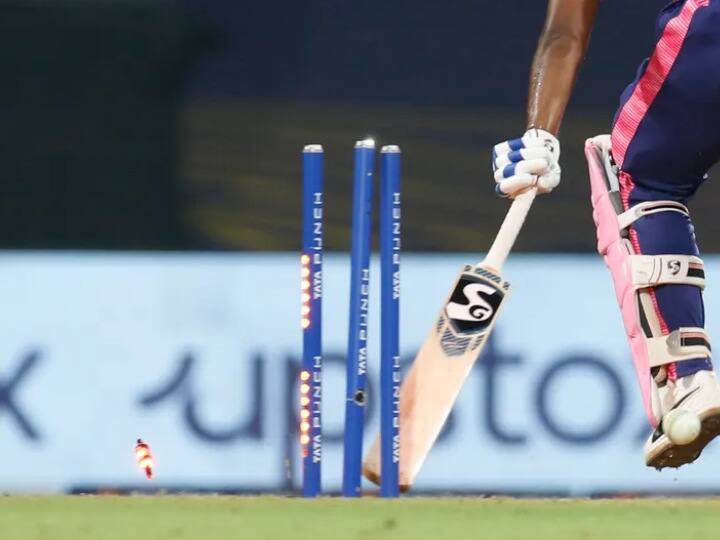
Zing Bails with Microprocessors
The Zing bails are perhaps the most sophisticated component of the LED stump system. Each bail contains a microprocessor, inductive sensors, and low voltage batteries that power the entire system. The microprocessor is programmed to detect when both spigots of the bail have separated from the stump grooves. This detection happens through inductive loops that create an electromagnetic field. When the bails are properly seated on the stumps, this field remains stable. The moment either end of the bail lifts off the stump, the change in the electromagnetic field triggers the microprocessor to activate the LED lights. A pair of professional grade Zing bails costs approximately 50,000 rupees, though this is significantly lower than the overall stump system cost.
Sensor and Detection System
The sensor and detection system is the brain of the LED stump technology. This system uses advanced inductive sensors that can detect changes in the electromagnetic field within one thousandth of a second. The sensors are incredibly precise and can differentiate between a light touch that does not dislodge the bails and an actual wicket where the bails are completely removed. The system uses analog circuits in older models and modern microprocessors in newer versions. These components are manufactured to extremely tight tolerances to ensure accuracy. The sensor system also communicates wirelessly with both the stumps and the broadcasting equipment. The estimated cost of the complete sensor and detection system is approximately 8 to 12 lakh rupees per set.
LED Lighting System
The LED lighting system creates the spectacular visual effect that everyone associates with modern cricket. High intensity LED lights are embedded throughout each stump, carefully positioned to create maximum visibility. These are not ordinary LEDs but specially designed units that can produce extremely bright light while consuming minimal power from the small batteries housed in the bails. The LEDs are also designed to withstand the shock and vibration of ball impacts. The lighting system is synchronized across all three stumps and both bails, ensuring they all illuminate simultaneously when triggered. The red glow is achieved through specific LED wavelengths chosen for maximum visibility both in daylight and under floodlights. The LED lighting components typically account for 5 to 8 lakh rupees of the total stump cost.
Camera and Microphone Equipment
The middle stump in professional LED stump sets contains additional equipment for broadcasting purposes. A small high definition camera is mounted inside the middle stump, providing the famous stump camera view that gives viewers a unique perspective of the action. This camera must be extremely compact yet capable of producing broadcast quality video in all lighting conditions. Additionally, a sensitive microphone is embedded to capture the sounds of the game, including the ball hitting the stumps, the wicketkeeper’s appeals, and the batsman’s reactions. The camera and microphone system adds another layer of technology and requires weatherproofing and shock protection. These broadcasting components add approximately 4 to 6 lakh rupees to the cost of a complete stump set.
Battery and Power System
The power system for LED stumps must be compact, reliable, and long lasting. Low voltage batteries are housed within the bails, providing power to all the electronic components. These batteries must be able to deliver instant power when needed while remaining dormant during normal play. The battery technology used is similar to that found in high end electronic devices, with careful management systems to prevent overcharging or premature discharge. The batteries are rechargeable and can last for multiple matches before needing replacement. Special circuitry ensures that the batteries do not overheat or pose any safety risks. The battery and power management system represents a smaller but crucial investment of approximately 2 to 3 lakh rupees in the overall cost structure.
Comparison with Traditional Wooden Stumps:
Modern cricket uses both LED stumps and traditional wooden stumps depending on the level of play, budget, and technological requirements. While wooden stumps remain common in domestic and grassroots matches due to their simplicity and low cost, LED stumps are preferred in professional tournaments for accuracy and broadcast appeal. The table below highlights the key differences between the two.
| Feature | LED Stumps | Traditional Wooden Stumps |
| Cost | Very expensive, often ₹30,00,000+ per set in pro cricket | Affordable, about ₹2,000 to ₹5,000 per set |
| Technology | Equipped with sensors, microprocessors, and LED lights for instant detection | No technology, fully manual equipment |
| Decision Support | Helps umpires with precise timing for run outs, stumpings, and bowled dismissals | Relies on umpire judgment and video replay only |
| Visual Impact | Bright lights add excitement and clarity for spectators and TV viewers | No visual enhancement during dismissals |
| Weight | Heavier due to electronic components, sometimes affecting bail movement | Lighter, bails fall more naturally on impact |
| Maintenance | Requires charging, testing, and careful handling of electronics | Minimal maintenance, long lasting with basic care |
| Reliability In Close Calls | Provides instant visual confirmation, reducing controversy | Timing of bail movement can be difficult to judge |
| Usage In Modern Cricket | Used in major tournaments and televised matches | Still widely used in domestic, club, and practice matches |
How LED Stump Technology Functions In Cricket?
LED stumps use advanced sensors, circuits, and instant signal transmission to detect when the wicket is broken. The system is designed to ensure umpires get precise visual confirmation in close decisions while maintaining reliability during live play. Here is how LED stump technology works:
- Inductive sensor detection: Sensors inside the stumps create a field around the bail grooves. When the bail lifts, the circuit breaks and the system detects the change instantly.
- Microprocessor verification: The internal chip checks that both ends of the bail have separated fully, ensuring the lights trigger only when the wicket is legally broken.
- Instant wireless signal: Once confirmed, a radio signal activates LEDs in the stumps and bails within a fraction of a second, making the dismissal moment clearly visible.
- Precision response timing: The system reacts faster than the human eye, helping umpires judge tight run outs, stumpings, and bowled dismissals accurately.
- High visibility LED design: Specially engineered LEDs produce a bright glow that is visible in daylight and under floodlights without distracting players.
- Efficient power management: Built in batteries are optimized to last through long matches, ensuring consistent performance without frequent replacement.
Why Are LED Stumps So Expensive?
The high cost of LED stumps can be attributed to several factors, starting with the research and development that went into creating this technology. Bronte Eckermann and his team at Zing International spent three years developing and perfecting the LED stump system before it was ready for professional use. This intensive research period involved testing different materials, electronic components, and designs to create a product that could withstand the rigors of professional cricket while maintaining perfect accuracy.
LED stumps cost more than traditional cricket stumps because they combine advanced electronics, precision engineering, and strict reliability standards required for professional matches. Their design focuses on accuracy, durability, and instant visual feedback, which increases production and technology expenses.
These are the key reasons behind their high cost:
- Advanced sensors and LED tech increase design and production costs
- Years of research and testing were needed before launch
- Specialized materials ensure strength and impact resistance
- Waterproof and shockproof electronics raise manufacturing expense
- Patent protection limits competition and keeps prices premium
- Strict quality checks ensure accuracy in professional matches
- Built to perform in tournaments like the Indian Premier League
- Must meet global standards set by the International Cricket Council
BCCI Rental Agreement and Contract Details:
The Board of Control for Cricket in India follows a rental model for LED stumps through its agreement with Zing International, instead of purchasing them outright. This approach avoids heavy upfront costs and includes full maintenance, technical support, and replacement coverage, ensuring the equipment stays match ready throughout tournaments like the Indian Premier League. The rental package also provides trained technicians who handle setup, monitoring, and troubleshooting during games.
The contract places responsibility for damaged stumps on Zing International, which protects the board from expensive replacement costs during high impact play. The agreement also allows continuous technology upgrades, meaning the league benefits from the latest innovations without additional investment. This system keeps matches technologically advanced while controlling long term expenses and operational risks.
Benefits of LED Stumps in Modern Cricket:
LED stumps have become an important part of modern cricket by improving accuracy, fairness, and the overall viewing experience. Their instant light activation removes uncertainty in close dismissals and supports quicker, more confident umpiring decisions. Today, they are widely used in top tournaments including the Indian Premier League and events governed by the International Cricket Council, reflecting their growing importance in the sport.
Here are the benefits of LED stumps:
- Decision Accuracy: The lights trigger the moment the bails are dislodged, helping umpires judge run outs and stumpings without doubt.
- Faster Third Umpire Calls: Clear visual signals reduce the need for long frame by frame analysis, speeding up decisions.
- Better Fan Experience: The glowing stumps create dramatic wicket moments that increase excitement for viewers in stadiums and on television.
- Improved Visibility: Bright illumination ensures wickets are clearly seen during day night matches and under floodlights.
- Reduced Controversies: Objective visual proof minimizes disputes between teams and promotes fair play.
Conclusion:
LED stumps have become an integral part of modern cricket, especially in high profile tournaments like the Indian Premier League. While the cost of approximately 30 to 40 lakh rupees per set may seem shocking, this price reflects the sophisticated technology, precision engineering, and extensive research that went into developing these innovative cricket accessories. The BCCI rental agreement with Zing International, costing around 2 crore rupees per IPL season, provides a cost effective solution that includes maintenance and technical support.
The benefits of LED stumps extend far beyond their visual appeal. They have significantly improved decision making accuracy, reduced controversial dismissals, and enhanced the viewing experience for millions of cricket fans worldwide. The technology behind LED stumps, involving microprocessors, sensors, and instant illumination systems, represents a remarkable achievement in sports engineering. As the technology continues to evolve, we can expect even more innovations that will further transform how cricket is played and watched, making the investment in LED stumps worthwhile for cricket boards and fans alike.
FAQs:
A complete set of LED stumps and bails costs approximately 30 to 40 lakh rupees (around $40,000 to $50,000). However, BCCI does not purchase them but rents from Zing International for the entire IPL season at approximately 2 crore rupees.
Zing International, an Australian company based in Adelaide, manufactures the LED stumps used in IPL. The technology was invented by Bronte Eckermann and has been approved by ICC for international cricket.
LED stumps light up within one thousandth of a second (1/1000th of a second) when the bails are dislodged. This extremely fast response time ensures instant visual confirmation of wicket dismissals for umpires and spectators.
LED stumps are expensive due to sophisticated technology including microprocessors, sensors, LED lights, cameras, and batteries. The precision engineering, durability requirements, extensive research, and manufacturing costs all contribute to the high price.
LED stumps were first introduced in the Indian Premier League in 2016. They had been used earlier in other tournaments like the Big Bash League (2012) and ICC Under 19 World Cup (2014) before being adopted by IPL.

Kiran is a cricket analyst and writer with strong expertise in the Indian Premier League and modern cricket. He closely follows match situations, player performances, team strategies, and season trends to deliver clear and accurate insights. Passionate about the game, Kiran enjoys exploring emerging talents, tracking auction movements, and sharing timely updates related to IPL and competitive cricket.