

The Indian Premier League is not only one of the most watched cricket leagues in the world, but also one of the most successful sports businesses ever created. Every IPL season brings together cricket, entertainment, celebrities, and big money. Behind the packed stadiums and high pressure matches, IPL team owners run their franchises like long term business assets. IPL teams are sold at very high prices, and their value continues to rise every year.
Owners spend crores during player auctions, invest in team branding, and build loyal fan bases across India and abroad. What makes IPL unique is its mix of sports and commercial power. Media rights, sponsorships, ticket sales, and brand partnerships together create steady income for franchises. Today, owning an IPL team is not just about winning trophies, but about managing a profitable, growing sports business.
How Does An IPL Team Owner Earn Money?
IPL team owners earn money through multiple income streams, making the league one of the strongest sports business models in the world. Franchises are sold at huge prices, which immediately attracts large corporate groups and investors. Owners willingly spend crores during player auctions because the returns go far beyond match results.
As of 2024, the overall IPL business value was estimated at $16.4 billion, while the IPL brand value stood at $3.4 billion. These numbers show how valuable the league has become. According to the BCCI, the 2023 IPL season contributed $11.2 billion to India’s GDP, highlighting its economic impact.
Viewership plays a huge role in owner earnings. IPL 2024 recorded around 620 million viewers, with more than 350 billion minutes watched, far higher than earlier seasons like IPL 2020. This massive audience attracts broadcasters, digital platforms, and advertisers who pay premium prices for media rights and sponsorships.
Impact of IPL on Indian Economy:
The Indian Premier League has become much more than a cricket tournament. It plays a major role in strengthening India’s economy by generating revenue, creating employment, attracting foreign investment, and supporting industries like media, tourism, advertising, and retail. Every IPL season triggers economic activity across cities, businesses, and services, making it one of India’s strongest sports driven economic engines.
1. Media Rights:
Media rights are the biggest financial pillar of the IPL and a major contributor to the Indian economy. Broadcasters and digital platforms pay massive amounts because IPL guarantees record breaking viewership and advertising reach. Star India secured television rights for INR 23,575 crores, while digital rights were sold for INR 23,758 crores, valuing each match at nearly INR 59 to 60 crores.
The current title sponsor of IPL is TATA Group. This revenue flows to the BCCI and is later distributed among franchises. Media rights alone contribute nearly 60 to 70 percent of total team earnings. The ecosystem supports jobs in broadcasting, production, advertising, data analytics, and technology. IPL media deals have transformed sports broadcasting into a high value industry in India.
2. Ticket Sales and Gate Revenue:
Ticket sales directly connect fans with the IPL economy. Each franchise plays a minimum of seven home matches, giving teams steady gate revenue. Ticket income contributes close to 10 percent of an IPL team’s total earnings.
Most matches are played in packed stadiums, especially rivalry and playoff games. Beyond tickets, fans spend on travel, hotels, food, and local transport. This boosts local businesses and creates seasonal employment. Stadium staff, security, vendors, and nearby shops all benefit. Ticket sales make IPL match days powerful economic events for host cities.
3. Merchandising:
Merchandising has emerged as a fast growing revenue stream for IPL teams. Official jerseys, caps, souvenirs, and accessories are in high demand during the season. The Indian sports merchandise market is growing at nearly 100 percent annually and is valued at around 30 million dollars.
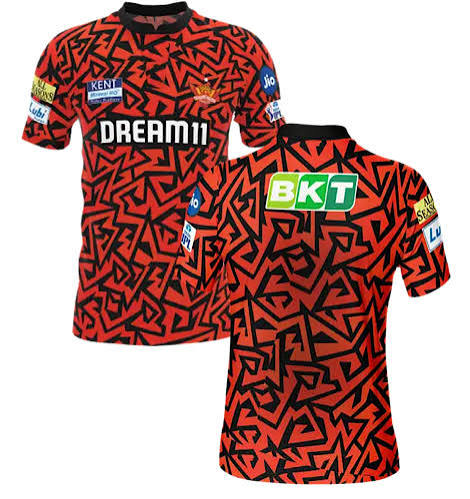
Each franchise sells team branded products through online stores and retail outlets. Merchandise sales strengthen fan loyalty while supporting manufacturing, logistics, e commerce platforms, and retail jobs. As teams invest more in branding and design, merchandise continues to add long term value to the IPL economy.
4. Selling Prices:
Selling franchise prices shows how IPL teams have become valuable business assets. As valuations rise, owners earn by selling partial ownership to corporate groups. A notable example is Delhi Capitals, where 50 percent prices were sold for INR 550 crores, nearly doubling the earlier valuation.
These deals attract domestic and global investors into Indian sports. Though price sales are not frequent, they inject large capital into the ecosystem. This strengthens confidence in sports investments and positions IPL franchises as long term wealth creating assets within India’s economy.
5. Sponsorship:
Sponsorship drives a large portion of IPL’s commercial success. Almost every element in a match carries brand value, from jerseys to boundary boards. An average IPL team features nearly 10 brand logos across jerseys, caps, and trousers.
Teams earn from title sponsors, jersey sponsors, sleeve sponsors, and digital promotions. Even brands without jersey placement gain exposure through social media and content campaigns. Top franchises partner with 15 to 18 brands per season. Sponsorship spending fuels India’s advertising industry, supporting agencies, creative professionals, and media platforms nationwide.
6. Prize Money:
Prize money is a direct reward for on field performance and adds to the financial strength of IPL franchises. Teams that finish higher in the tournament earn more, which benefits both owners and players. In the 2023 IPL season, the winning team received INR 20 crores, while the runner up earned INR 13 crores. Teams finishing third in the playoffs got INR 7 crores, and the fourth placed team received INR 6.5 crores.
Although prize money is smaller compared to media rights or sponsorships, it still plays an important role. Strong performances increase earnings, improve team morale, and boost brand image, which later helps franchises earn more through sponsors and partnerships.
7. Brand Value:
Brand value plays a huge role in how much an IPL team can earn. Teams with star players like MS Dhoni, Virat Kohli, and Rohit Sharma attract more fans, sponsors, and investors. Winning titles or consistently reaching the playoffs helps teams increase their brand value.
Franchises like CSK, MI, and KKR, who have won multiple IPL trophies, sit at the top in brand value rankings. However, brand value is not only about winning. Celebrity owners such as Shah Rukh Khan and Preity Zinta, along with business leaders like Nita Ambani, also add glamour and trust. Higher brand value allows teams to demand premium sponsorship deals.
8. Unlisted Shares:
Unlisted shares have emerged as a new funding option for IPL franchises. While this practice is common in European football, it is still growing in India. Chennai Super Kings is among the few Indian sports franchises whose unlisted shares are actively traded.
By offering pre IPO shares, franchises raise significant capital without going public. This money is used for expansion, infrastructure, and long term planning. Unlisted shares also allow early investors and fans to participate in the financial growth of teams. As IPL valuations continue to rise, unlisted shares have become a valuable asset within India’s sports investment landscape.
9. Investments in IPL:
IPL has attracted massive global investments due to its popularity and growth potential. In 2023, Saudi Arabia announced plans to invest up to $5 billion in the IPL ecosystem. American investment firms have also shown strong interest.
According to reports, companies like Silver Lake Partners, KKR & Co., and TPG Capital have invested more than $3.2 billion in IPL related ventures. These investments strengthen franchise finances and improve infrastructure. Global funding also boosts confidence in Indian sports businesses, making IPL one of the most profitable and attractive sports leagues worldwide.
10. OTT Platforms:
OTT platforms have transformed how IPL reaches audiences and earns revenue. Viacom18, owner of JioCinema, won IPL digital streaming rights for 2023 to 2027 by bidding INR 23,758 crores.

Combined with television rights worth INR 23,575 crores, total IPL media revenue for this period reached INR 48,390 crores, more than double the previous cycle. Digital streaming allows millions to watch matches on mobile devices, increasing ad revenue and subscriptions. OTT growth has expanded IPL’s reach globally and created a powerful digital economy around the league.
11. Franchise Rights:
Franchise rights help IPL teams earn money beyond match days. Teams receive a share from the central revenue pool and also sign local sponsorship deals. Selling team merchandise like jerseys and caps adds steady income.
Some franchises organize international matches, run cricket academies, and create digital content monetized through ads and brand collaborations. These activities allow teams to earn even outside the IPL season. Franchise rights turn IPL teams into year round businesses, ensuring stable revenue, stronger fan engagement, and long term financial growth for owners.
How Do IPL Owners Earn Money Even When Their Team Loses Matches?
IPL owners do not depend only on match results to make money. Even if a team finishes at the bottom of the table, owners continue to earn through fixed and shared revenue streams. The biggest support comes from media rights, where income is distributed equally among franchises regardless of performance.
Sponsorship contracts are signed for the full season, so brands pay even if the team loses matches. Jersey sponsors, digital partners, and ground advertisers are locked in before the season starts. Ticket sales for home matches still bring revenue because loyal fans turn up to support their team. Merchandise sales also remain steady due to fan loyalty. This structure ensures IPL owners have financial stability every season, making the league low risk from a business point of view.
Why Are IPL Teams Long Term Wealth Assets?
IPL teams are not short term businesses built only around winning seasons. They are long term assets whose value keeps rising every year. Strong media deals, loyal fan bases, and limited franchise supply make IPL ownership financially powerful. Even teams with fewer trophies gain value through brand growth and revenue sharing.
- Franchise valuations rise steadily with every new media rights cycle
- Fixed revenue sharing reduces financial risk for owners
- Strong fan loyalty creates long lasting brand value
- Limited number of teams increases scarcity and demand
- Global investors view IPL teams as premium sports assets
How Do IPL Teams Make Money Outside the IPL Season?
IPL teams continue earning money even when the tournament is not being played. Many franchises run cricket academies that generate training fees and help build future talent. Teams also earn through digital content such as YouTube videos, social media partnerships, and brand collaborations. Some franchises own or partner with teams in overseas leagues, creating year round income.
Merchandise sales continue online throughout the year, especially among loyal fans. Sponsorship agreements often cover the entire year, not just the IPL season. Appearances, promotional events, and licensed products also add revenue. This off season income turns IPL teams into full time businesses rather than seasonal sports team.
Conclusion:
IPL team ownership is a long term business investment, not just a sporting venture. Owners earn money through media rights, sponsorships, ticket sales, merchandise, and growing brand value. With strong viewership, global attention, and rising franchise valuations, IPL teams continue to become more profitable every season. The league’s impact on the Indian economy proves that IPL is as much about smart business as it is about cricket and entertainment.
FAQs:
Because IPL offers long term revenue through media rights, sponsorships, and brand growth.
Yes, most income comes from shared media revenue and sponsorships.
IPL creates jobs, boosts tourism, attracts investment, and adds billions to GDP.
Its franchise model, strong media deals, and massive fan base set it apart.
Yes, franchise values have consistently increased over the years.

Kiran is a cricket analyst and writer with strong expertise in the Indian Premier League and modern cricket. He closely follows match situations, player performances, team strategies, and season trends to deliver clear and accurate insights. Passionate about the game, Kiran enjoys exploring emerging talents, tracking auction movements, and sharing timely updates related to IPL and competitive cricket.